Easy Chimichurri Sauce Recipe – Fresh & Flavorful
Chimichurri sauce is more than just a condiment; it’s a vibrant explosion of herbaceous, garlicky goodness that can transform even the simplest meal into something extraordinary. Have you ever grilled up some steaks and wondered what that bright green, zesty sauce was that everyone raves about? That, my friends, is the magic of chimichurri. What I love most about this Argentinian staple is its incredible versatility and its ability to cut through richness with its fresh, tangy profile. It’s not just for grilled meats, though it certainly shines there. This chimichurri sauce is the secret weapon I reach for to elevate roasted vegetables, fish, and even as a delightful dip for crusty bread. Its simplicity belies its depth of flavor, making it a truly special sauce that’s incredibly rewarding to make at home.
Chimichurri Sauce
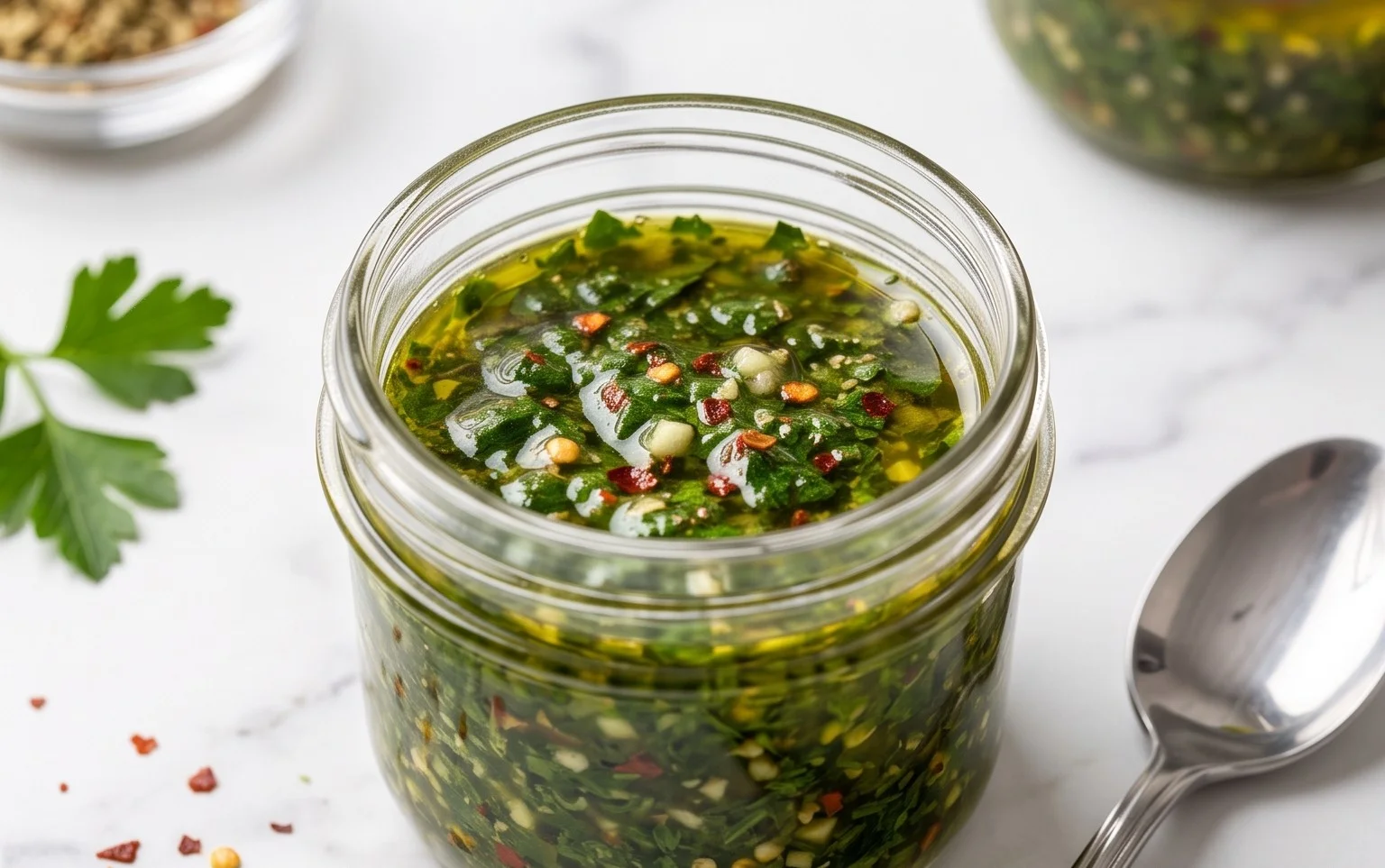
Get ready to elevate your grilled meats, roasted vegetables, and even your eggs with this vibrant and incredibly flavorful chimichurri sauce. Hailing from Argentina and Uruguay, this herbaceous condiment is a game-changer, offering a zesty, garlicky, and fresh counterpoint to rich dishes. Forget store-bought versions; making your own chimichurri is surprisingly simple and the taste difference is phenomenal. It’s the perfect way to add a burst of freshness and a touch of herbaceous sophistication to any meal. I love having a jar of this in my fridge, ready to drizzle on everything from steak to chicken to fish.
This recipe is my go-to, perfectly balancing the bright herbs with the tangy vinegar and a hint of spice. You can adjust the heat level to your preference, and even experiment with different vinegars if you feel adventurous. The key is using fresh, high-quality ingredients. Once you try homemade chimichurri, you’ll wonder how you ever lived without it.
Ingredients:
Preparation Steps
The beauty of chimichurri is its uncooked nature, meaning no heat is required. This allows the fresh flavors of the herbs to truly shine through. The process is primarily about careful chopping and then emulsifying the ingredients.
Prep the Herbs and Aromatics: This is the most crucial step for a beautifully textured chimichurri. Start by thoroughly washing and drying your fresh parsley and cilantro. Ensure they are completely dry to prevent the sauce from becoming watery. Strip the leaves from the stems of the parsley and cilantro. You can discard the stems or save them for making stock. For the oregano, if you’re using fresh, gently remove the leaves from the stems. If using dried oregano, you’ll add it later. Next, prepare your aromatics. Finely mince the red onion or shallot. The goal here is to get them as small as possible to distribute evenly throughout the sauce. Peel and mince the garlic cloves. Again, aiming for a very fine mince is ideal, or you can use a garlic press if you prefer. The smaller these ingredients are, the better they will meld together.
Finely Chop the Herbs: Once your herbs are dry and de-stemmed, it’s time to chop them. I prefer to chop the parsley and cilantro by hand to get the best texture, but a food processor can be used with caution. If using a food processor, pulse gently to avoid turning the herbs into a paste. Aim for a finely chopped consistency, similar to the minced onion and garlic. You want small, distinct pieces of herbs that will hold their shape and texture in the finished sauce. If you’re chopping by hand, gather a generous amount of parsley and cilantro together on your cutting board and chop them repeatedly with a sharp knife until they are finely minced. Repeat this process until all the parsley and cilantro are chopped.
Combine Wet and Dry Ingredients: In a medium-sized bowl, combine the minced parsley, cilantro, oregano (if using fresh), red onion or shallot, and minced garlic. Add the red grape juice vinegar, fresh lemon juice, salt, and red pepper flakes (if using). If you are using dried oregano, add it at this stage. Stir these ingredients together well. Let this mixture sit for about 5-10 minutes. This brief resting period allows the vinegar and lemon juice to start softening the raw onion and garlic, mellowing their harshness and allowing their flavors to meld with the herbs. This step is key to developing a more complex flavor profile.
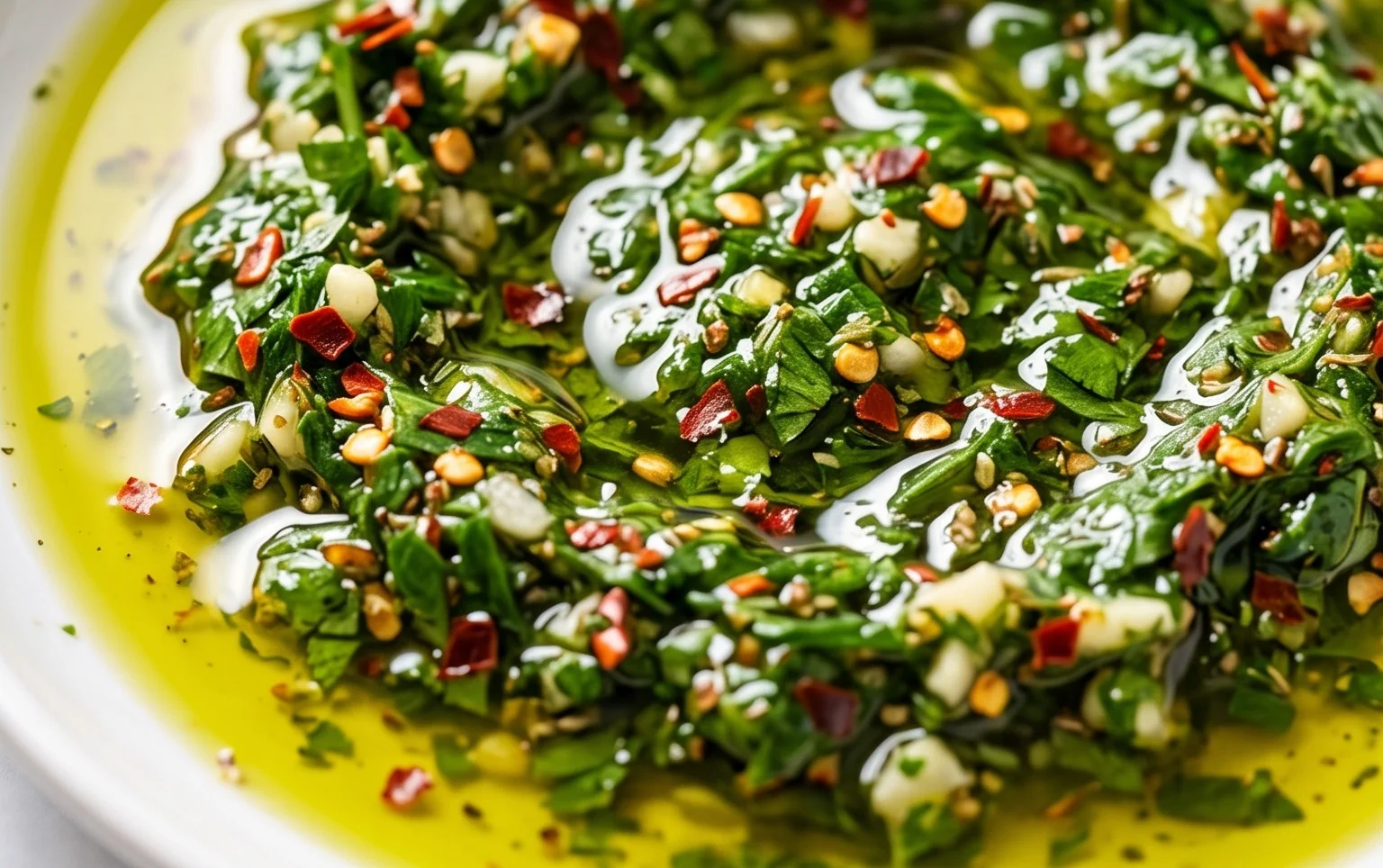
Emulsify with Olive Oil: Now it’s time to add the olive oil and bring everything together. Slowly drizzle the olive oil into the bowl while continuously stirring or whisking. The goal is to emulsify the oil with the other ingredients, creating a cohesive sauce. You can do this by hand with a whisk or a fork, or you can carefully pulse it in a food processor. If you’re using a food processor, add the oil in a slow, steady stream with the motor running. The sauce should become slightly thicker and take on a vibrant, emulsified appearance. Don’t over-process if using a food processor; you still want to see some texture from the herbs and aromatics. Taste the sauce and adjust the salt and red pepper flakes as needed. If it’s too acidic, you can add a tiny splash more olive oil. If it’s not tangy enough, a bit more lemon juice or vinegar can be added.
Rest and Serve: Once you’ve achieved your desired consistency and seasoning, cover the bowl or transfer the chimichurri to an airtight container. For the best flavor, let the chimichurri rest in the refrigerator for at least 30 minutes. This allows all the flavors to meld and deepen. The longer it rests, the more complex and delicious it will become. It can be stored in the refrigerator for up to a week. Before serving, give it a good stir as some separation might occur. Chimichurri is incredibly versatile. Drizzle it generously over grilled steaks, chicken breasts, beef chops, or fish. It’s also fantastic with roasted vegetables like potatoes, asparagus, or cauliflower. Don’t hesitate to stir it into cooked grains like quinoa or rice, or even use it as a dipping sauce for bread. Enjoy the fresh, herbaceous goodness!
Conclusion:
And there you have it – your guide to mastering the vibrant and incredibly versatile chimichurri sauce! This recipe is fantastic because it delivers an explosion of fresh, herbaceous flavor with minimal effort. The bright acidity from the vinegar, the pungent kick of garlic, and the aromatic parsley and oregano come together to create a sauce that elevates almost any dish. It’s not just a condiment; it’s a flavor enhancer that brings grilled meats, roasted vegetables, and even simple salads to life. I truly encourage you to give this recipe a try; you’ll be amazed at how a few fresh ingredients can make such a profound difference in your cooking.
Serving suggestions are almost endless: drizzle it generously over grilled steak, chicken, or fish. It’s also a divine accompaniment to roasted potatoes, grilled asparagus, or even as a dressing for a hearty grain bowl. Don’t be afraid to experiment with the consistency – if you prefer it smoother, a quick pulse in a food processor will do the trick. For a thicker sauce, simply reduce the amount of olive oil. The beauty of this recipe lies in its adaptability.
Frequently Asked Questions:
Q: How long does chimichurri sauce last?
A: Properly stored in an airtight container in the refrigerator, your homemade chimichurri sauce should last for about 5-7 days. The fresh herbs will start to lose their vibrancy after that, but it will still be perfectly edible for a bit longer.
Q: Can I freeze chimichurri sauce?
A: While it’s best enjoyed fresh, you can freeze chimichurri. You might find the texture changes slightly upon thawing as the fresh herbs can become a bit watery. For best results, freeze it in ice cube trays and then transfer the frozen cubes to a freezer bag. This makes portioning easy.
Q: What are some good variations for chimichurri sauce?
A: Absolutely! You can add a pinch of red pepper flakes for a touch of heat, swap out some of the parsley for cilantro for a Mexican-inspired twist, or even add a little finely chopped mint for an extra layer of freshness. Experimenting with different types of vinegar, like red grape juice vinegar or apple cider vinegar, can also yield subtly different flavor profiles.
Chimichurri Sauce
A vibrant and herbaceous Argentinian sauce perfect for grilled meats, vegetables, and more. This recipe uses red grape juice vinegar for a non-alcoholic option.
Ingredients
-
1 1/2 cups well packed (42g) fresh parsley
-
1/2 cup well packed (20g) fresh cilantro
-
1/4 cup (9g) fresh oregano
-
1/4 small red onion
-
3 garlic cloves
-
3 Tbsp red grape juice vinegar
-
2 Tbsp fresh lemon juice
-
1/2 tsp salt
-
1/4 tsp red pepper flakes
-
3/4 cup olive oil
Instructions
-
Step 1
Finely chop the fresh parsley, cilantro, and oregano. If using dried oregano, add it later with the liquids. -
Step 2
Finely mince the red onion (or shallot) and garlic cloves. -
Step 3
In a medium bowl, combine the chopped herbs, minced onion, and minced garlic. -
Step 4
Add the red grape juice vinegar, fresh lemon juice, salt, and red pepper flakes (if using) to the herb and garlic mixture. Stir to combine. -
Step 5
Slowly whisk in the olive oil until the sauce is well emulsified and all ingredients are incorporated. Taste and adjust salt if needed. -
Step 6
For best flavor, let the chimichurri sauce rest for at least 10-15 minutes before serving to allow the flavors to meld. It can be stored in an airtight container in the refrigerator for up to a week.
Important Information
Nutrition Facts (Per Serving)
It is important to consider this information as approximate and not to use it as definitive health advice.
Allergy Information
Please check ingredients for potential allergens and consult a health professional if in doubt.