Easy Sweet Potato Curry Recipe
Sweet potato curry is a dish that truly sings with flavor and comfort, and I’m so excited to share my absolute favorite version with you today. Imagin extracte a bowl brimming with tender, caramelized sweet potatoes swimming in a rich, aromatic coconut milk broth, kissed with the warmth of exotic spices. It’s no wonder this dish has become a staple in kitchens around the world; it’s inherently satisfying and incredibly versatile. What I adore most about this sweet potato curry is its ability to be both nourishing and deeply indulgent. It’s a vibrant tapestry of tastes and textures, offering a delightful sweetness from the star ingredient that perfectly balances the savory depth of the curry. This isn’t just a meal; it’s an experience, a hug in a bowl that will leave you feeling utterly content.
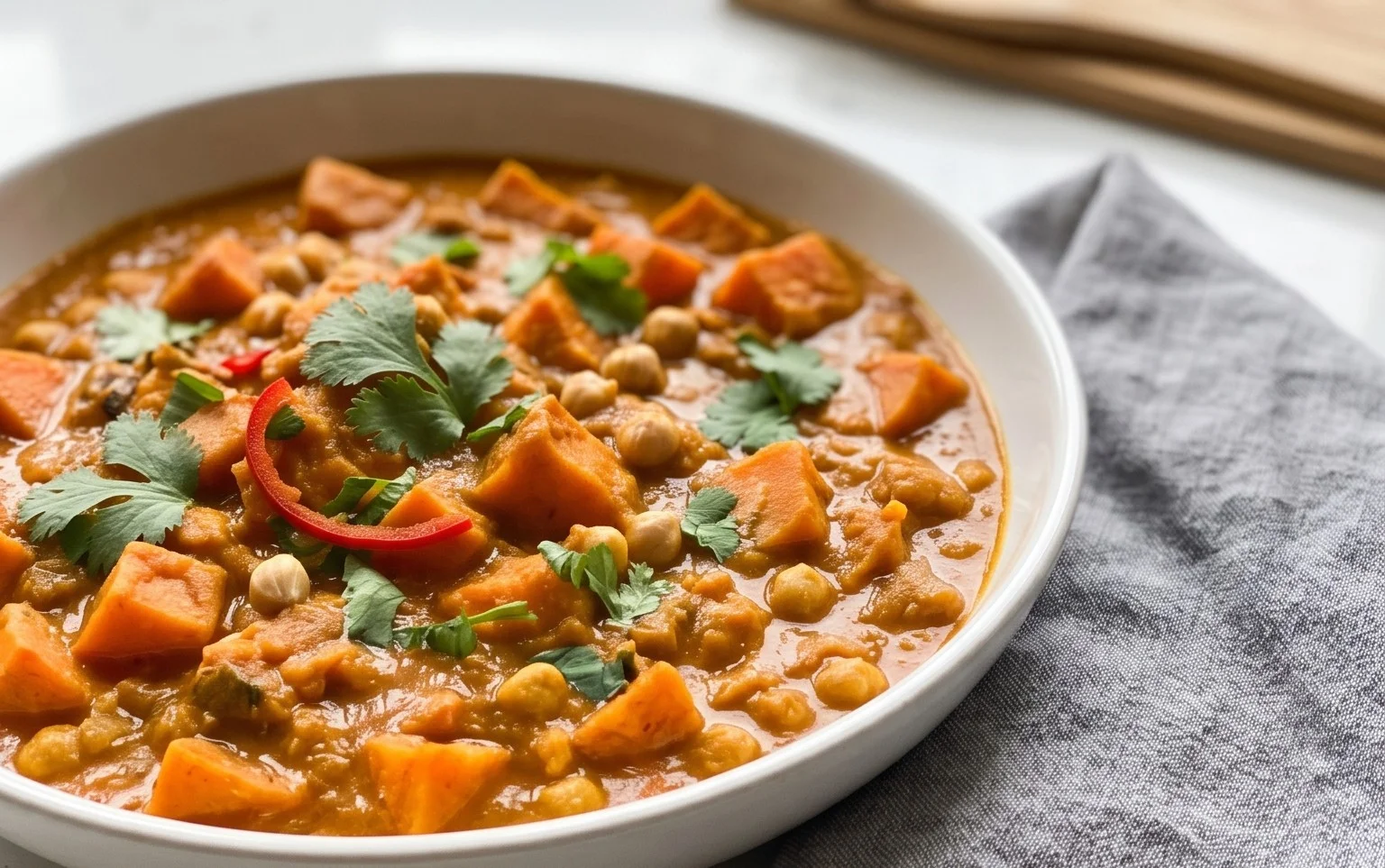
Sweet Potato Curry
There’s something incredibly comforting and satisfying about a bowl of warm, fragrant curry. And when that curry is packed with the natural sweetness of sweet potatoes and the creaminess of coconut milk, it’s a truly delightful experience. This sweet potato curry is my go-to for a quick, healthy, and flavourful meal that’s perfect for a weeknight dinner or a cozy weekend lunch. It’s naturally vegan and gluten-free, making it a crowd-pleaser for almost any dietary need. The beauty of this recipe lies in its simplicity; it comes together relatively quickly without sacrificing depth of flavour. The combination of tender sweet potatoes, hearty chickpeas, vibrant bell peppers, and that unmistakable warmth from the red curry paste is simply irresistible.
Ingredients:
Cooking Instructions:
This recipe is all about building layers of flavour and texture. We’ll start by softening our aromatics, then add the curry paste to toast it and release its full potential, followed by the liquids and vegetables to simmer and meld together.
1. Sautéing the Aromatics and Blooming the Curry Paste:
To begin extract, heat a tablespoon of neutral oil (like vegetable or coconut oil) in a large pot or Dutch oven over medium heat. Once the oil is shimmering, add your chopped onions and sauté them for about 5-7 minutes, stirring occasionally, until they become softened and translucent. This gentle cooking process sweetens the onions and provides a foundational layer of flavour for our curry. Next, add the minced garlic and cook for another minute until fragrant, being careful not to burn it. Now comes a crucial step for unlocking the full flavour of the red curry paste: add the 4 tablespoons of red curry paste to the pot. Stir it vigorously with the onions and garlic for about 2 minutes. You’ll notice the paste becoming darker and more aromatic as it toasts. This toasting process is key to developing the complex flavours of the curry and reducing any raw taste from the paste.
2. Adding Liquids and Bringin extractg to a Simmer:
Once the curry paste has been well-toasted and is wonderfully fragrant, it’s time to introduce the liquids. Pour in the entire can of full-fat coconut milk. Stir it thoroughly, scraping up any bits of curry paste and aromatics from the bottom of the pot to incorporate them into the creamy coconut milk. This creates the base for our curry sauce. Add the cubed sweet potatoes to the pot. Stir everything together so that the sweet potato cubes are well-coated with the coconut milk and curry paste mixture. Season generously with salt and freshly ground black pepper to taste at this stage. You can always adjust seasoning later, but getting it right early on helps. Bring the mixture to a gentle simmer over medium heat.
3. Simmering the Sweet Potatoes and Bell Peppers:
Once the curry mixture has reached a gentle simmer, reduce the heat to low, cover the pot, and let it cook for about 15-20 minutes. The goal here is to allow the sweet potatoes to become tender but not mushy. You can check their doneness by piercing a cube with a fork – it should slide in easily. During this simmering time, the sweet potatoes will release some of their natural sweetness into the sauce, enriching it further. After about 15 minutes of simmering, add the chopped bell pepper to the pot. Stir it in, ensuring the pieces are submerged in the sauce. Cover the pot again and continue to simmer for another 5-7 minutes, or until the bell peppers are tender-crisp. We want them to retain a little bite to add textural contrast.
4. Incorporating the Chickpeas and Final Seasoning:
With the sweet potatoes and bell peppers tender, it’s time to add the protein and fibre boost: the drained and rinsed chickpeas. Stir the chickpeas into the curry, allowing them to heat through for a couple of minutes. This is also a good time to taste the curry and adjust the seasoning. If you prefer it spicier, you can add a little more red curry paste or a pinch of chili flakes. If it needs more salt or pepper, add it now. The flavours will have melded beautifully by this point, and you should have a rich, creamy, and deeply flavourful curry.
5. Wilting the Spinach and Serving:
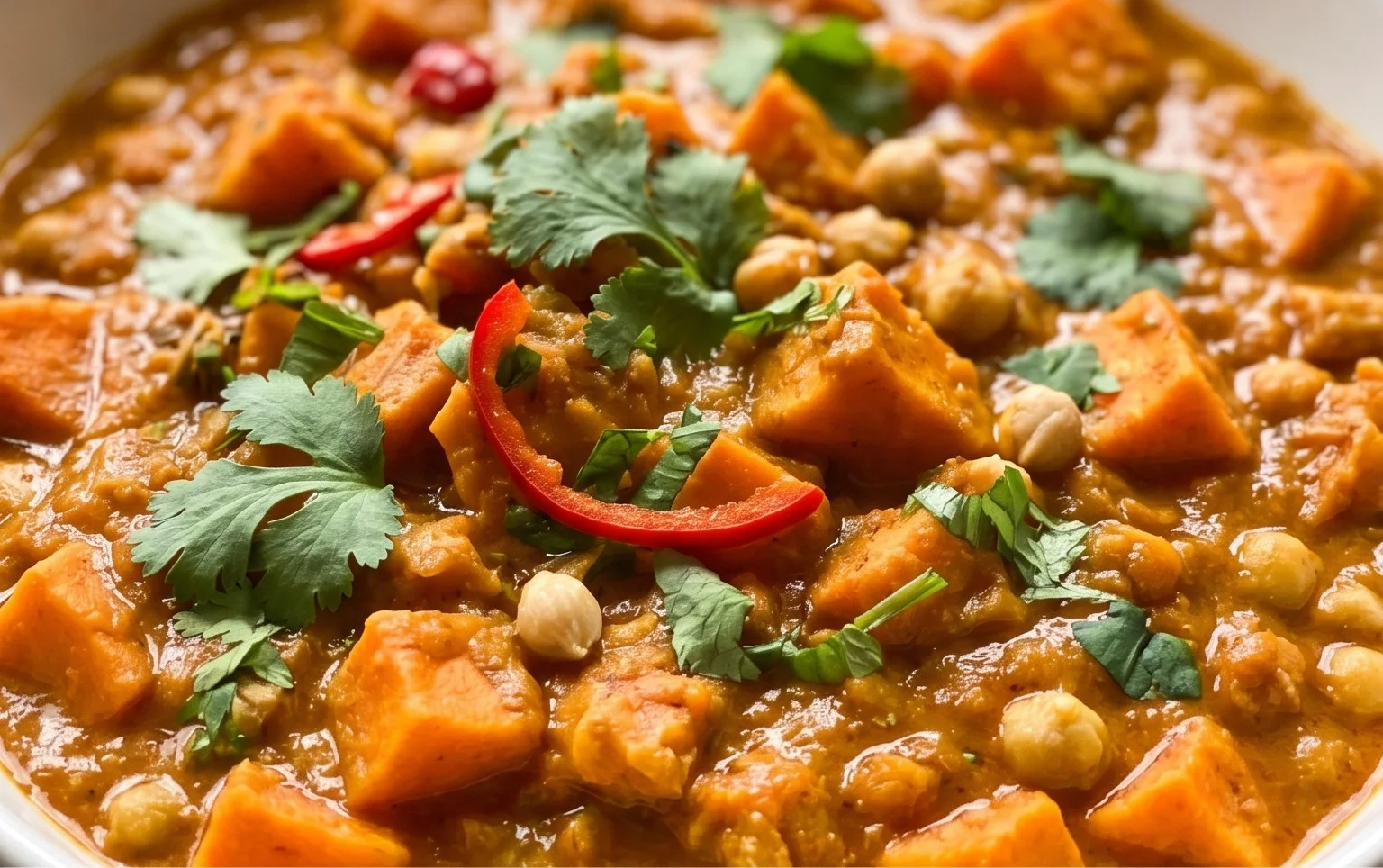
The final step is to add the fresh spinach. Stir in the large handful of roughly chopped spinach and cook for just a minute or two, until it wilts and turns a vibrant green. The residual heat from the curry is more than enough to soften the spinach without overcooking it, preserving its freshness and nutrients. Serve the sweet potato curry hot, ideally spooned over fluffy cooked rice or quinoa. For an extra burst of freshness and flavour, garnish with fresh chopped cilantro and a squeeze of lime juice. The lime juice cuts through the richness of the coconut milk and brightens all the flavours. Enjoy this delicious and nourishing meal!
Conclusion:
I hope you’ve enjoyed learning how to make this delicious and comforting Sweet Potato Curry! It truly is a fantastic dish because it’s incredibly versatile, packed with flavor, and surprisingly easy to whip up for a weeknight meal or a weekend gathering. The natural sweetness of the sweet potatoes beautifully balances the warmth of the spices, creating a dish that’s both satisfying and nourishing. Don’t be afraid to customize it to your liking! It pairs wonderfully with fluffy basmati rice, quinoa, or even warm naan bread for dipping. For a heartier meal, consider adding chickpeas or lentils. If you prefer a bit more heat, a pinch of cayenne pepper or a finely chopped chili will do the trick.
I really encourage you to give this Sweet Potato Curry recipe a try. It’s a crowd-pleaser that will warm you from the inside out. Experiment with different vegetables like spinach, cauliflower, or green beans, and discover your own favorite combination. Happy cooking!
Frequently Asked Questions:
Can I make this Sweet Potato Curry vegan?
Absolutely! This recipe is easily made vegan. Simply ensure you use a plant-based milk like coconut milk or almond milk, and double-check that any vegetable broth you use is also vegan. That’s it – you’ll have a wonderfully creamy and delicious vegan curry!
What if I don’t have all the spices listed?
Don’t worry if you’re missing a spice or two! The core spices for this Sweet Potato Curry are usually cumin, coriander, turmeric, and garam masala. If you’re missing one of the others, the dish will still be delicious. You can often find good pre-mixed curry powder blends that can substitute for several individual spices if needed.
How long does this Sweet Potato Curry last in the refrigerator?
This Sweet Potato Curry stores very well in the refrigerator. It’s best to let it cool completely before transferring it to an airtight container. It should stay fresh for about 3 to 4 days. The flavors often meld and deepen even further on the second day, making it a great option for meal prep!
Sweet Potato Curry
A flavorful and comforting sweet potato and chickpea curry, made with creamy coconut milk and aromatic red curry paste.
Ingredients
-
2 medium sweet potatoes, cubed
-
4 cloves garlic, minced
-
1 cup bell pepper
-
1 15 oz can chickpeas, drained
-
1 14 oz can full fat coconut milk
-
1/2 cup onions, chopped
-
4 Tbs Red Curry Paste
-
salt, pepper to taste
-
1 large handful spinach, chopped
Instructions
-
Step 1
In a large pot or Dutch oven, sauté the chopped onions and minced garlic in a bit of oil over medium heat until softened. -
Step 2
Add the red curry paste and cook for 1-2 minutes, stirring constantly, until fragrant. -
Step 3
Stir in the cubed sweet potatoes, bell pepper, and the can of full-fat coconut milk. Bring to a simmer. -
Step 4
Cover and let simmer for 15-20 minutes, or until the sweet potatoes are tender, stirring occasionally. -
Step 5
Add the drained chickpeas and chopped spinach. Cook for another 5 minutes, until the spinach is wilted and the chickpeas are heated through. -
Step 6
Season with salt and pepper to taste before serving.
Important Information
Nutrition Facts (Per Serving)
It is important to consider this information as approximate and not to use it as definitive health advice.
Allergy Information
Please check ingredients for potential allergens and consult a health professional if in doubt.